


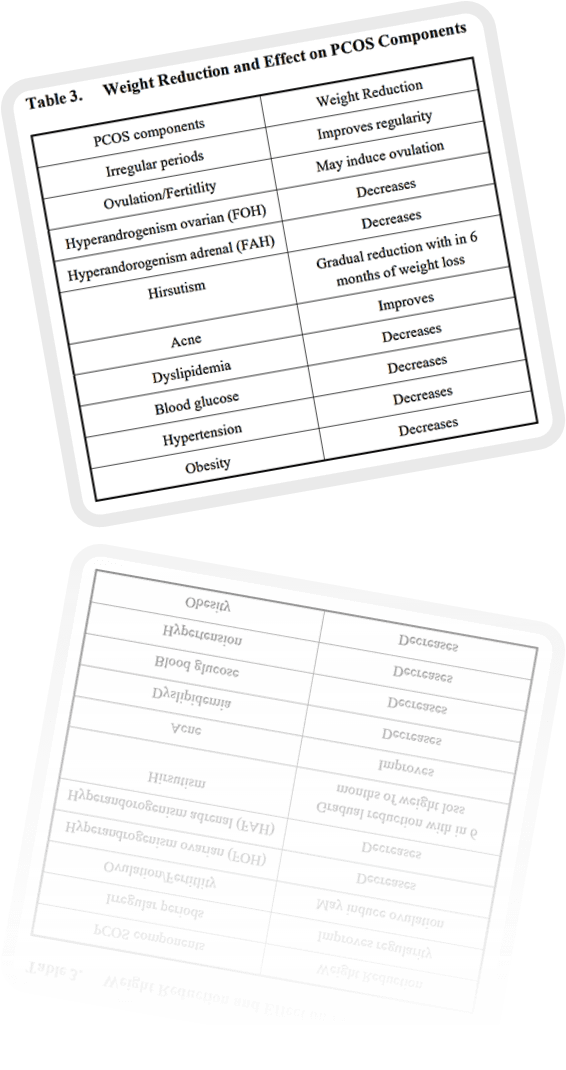
Losing even a small amount of weight (10%) can make your periods more regular if you have PCOS. It can also ease some of the other symptoms. Weight loss improves how your body uses insulin, which lowers your chances of getting diabetes, heart disease, and other problems linked to PCOS.
If you are overweight, losing weight can improve your reproductive health by regulating your menstrual cycle and helping with ovulation. It can also improve your metabolic health by reducing insulin levels.
Eating healthy foods and exercising regularly can help your body use insulin better and may lower the amount of androgens it produces. This might ease your symptoms, bring back regular periods, and improve your chances of getting pregnant.
Dietary Recommendations for PCOS
| Diet Approach | Low Glycemic Index, High Fiber and Omega -3 rich Diet |
| Allowed Liberally | • Include these foods in your diet:* **Whole grains:** Oats, brown rice, whole wheat, quinoa, barley, buckwheat, ragi, jowar, and bajra.* **Legumes:** Lentils, chickpeas, soybeans, and kidney beans (whole or sprouted and steamed).* **Fruits:** Berries, pears, oranges, figs, kiwi, guava, papaya, watermelon, apple, sweet lime, and coconut water.* **Vegetables:** Peas, spinach, squash, and broccoli.* **Green leafy vegetables:** Spinach, kale, and mustard greens are nutrient-rich, containing iron, calcium, potassium, magnesium, and vitamins K, C, E, and B.* **Beneficial herbs & spices:** Cinnamon, garlic, ground flax seeds, curry leaves, onion, turmeric, amla, and cumin.* **Phyto-nutrient sources (to improve insulin resistance):** Cinnamon, nuts (especially walnuts), orange and leafy green vegetables (such as spinach or kale), carrots, yams, and sweet potatoes.* **Hydration:** Drink at least 2-3 liters of water or non-caffeinated, low-calorie fluids daily to flush out toxins and stay hydrated. |
| Allowed in Limited Amount | • Low fat milk and products • Salt should be limited 1tsp/day • Healthy oils like olive, rice bran and canola • Nuts and seeds – such as almonds, walnuts, flaxseeds, sunflower, pumpkin and chia seeds. • Omega 3 rich foods -especially fatty fishes like salmon, tuna, fish oil flaxseeds, walnuts, chia seeds, hazel nuts, sunflower seeds. I • Starchy vegetables- such as potatoes, yam, arbi, sweet potatoes. |
| To be Avoided | • Sugar, honey, jaggery, sweets, candies, chocolates, fruit juices and candies. • Refined grains made with white flour such as white bread and pasta, bagels, white rice or sugared cereals. • Sweetened juice, canned fruit in heavy syrup, or sweetened applesauce • Saturated, hydrogenated and Trans fats are all fats that should be avoided. • Trans fat in biscuits, cakes, breads, pastries. • Saturated fat sources like ghee, butter, margarine, and hydrogenated fats etc. • Salt Preserved foods – pickles, canned foods, frozen foods • Highly salted foods – such as potato chips, ketchups, sauces, peanut butter, salted butter, nankeens, pappad, chutneys • Avoid smoking and alcohol intake. |
Exercise Recommendations for PCOS
Be physically active
Engage in physical activity for a total of 60-90 minutes on most days of the week.
Recommendations for Exercise
Engage in one hour of cardio exercise daily (such as walking, dancing, cycling, using a cross-trainer or treadmill, swimming, rowing, Zumba, or aerobics). You can split this into 2-3 sessions throughout the day. In addition, do 15 minutes of toning and strengthening exercises every day, plus 15 minutes of general daily activity.
Follow De-Stressing techniques especially meditation, yoga and breathing exercise.